Arm Prostheses—What Really Matters
For many people, an arm prosthesis can be a major step toward greater independence and improved daily functioning. Whether following an amputation, due to a congenital condition, or as part of an upgrade to existing equipment—choosing the right prosthesis and ensuring it is properly fitted plays a decisive role in how well it can be used in everyday life.
What exactly is an arm prosthesis?
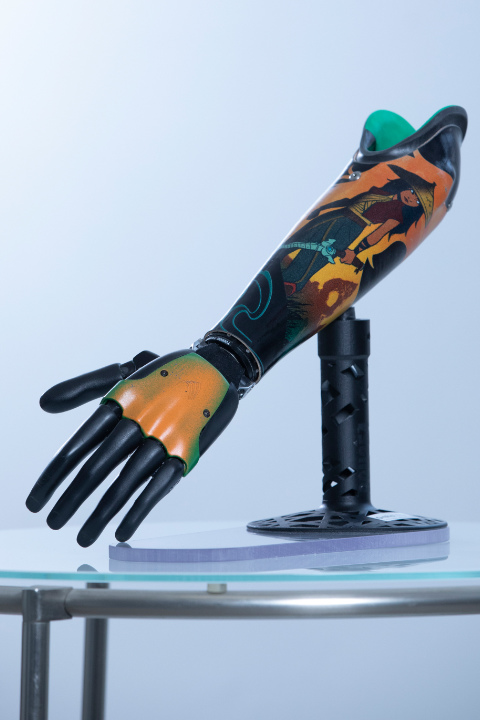
Arm prostheses are technical aids that replace or supplement missing structures of the hand. There are many different types—ranging from simple, purely cosmetic models to highly functional, myoelectrically controlled systems that support various types of grips and respond to electrical muscle impulses.
What should you look for?
1. Personal benefit over “technology for technology’s sake”
Not every modern feature is useful for everyone. Work with your prosthetics team to determine which activities are relevant to you in your daily life—such as eating, writing, grasping objects, riding a bike, or playing games. The right technology supports precisely these goals.
2. Fit and comfort are crucial
A good prosthesis fits in such a way that it doesn’t pinch, doesn’t chafe, and is easy to control. The so-called “sock” (the part that fits over the residual arm) must be individually customized. Changes in the arm’s volume sometimes require multiple adjustments—this is normal.
3. Guidance and training are part of the care process
Using an arm prosthesis takes practice—myoelectric systems, in particular, require training until movements function reliably. Training and daily use are at least as important as the choice of technology.
4. Don’t Forget Care & Maintenance
Careful maintenance extends the life of your prosthesis and increases comfort. This includes: regular cleaning, handling the electronics with care, and scheduling appointments promptly if wear and tear or problems arise.
5. Stay Open to Adjustments
Your needs may change—for example, if you discover new hobbies or your daily routine changes. Talk openly with your prosthetics team about new requirements or requests for improvements.
My final tip for you
An arm prosthesis is more than just a technical aid—it’s a companion. Take your time choosing one, be honest about your expectations, and draw on the expertise of your entire care team. That way, technology can truly become a source of support in your everyday life.