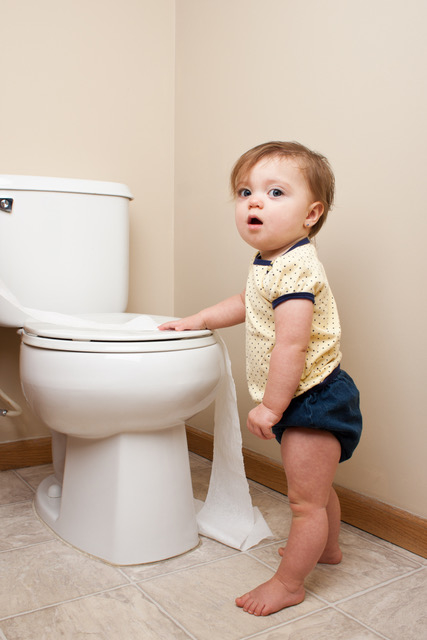
Cleanliness education/ toilet training
What should you bear in mind when toilet training -
What are the three most important tips & aids?
For many parents, toilet training their child with a disability is a major hurdle that is associated with an incredible amount of anxiety and doubt. But are they really unsolvable problems or "just" hurdles that can be overcome?
What should you bear in mind when toilet training?
Planning & preparation
I don't recommend doing toilet training "just like that". Why? Because I am convinced that this can lead to frustration and repeated, aborted attempts. Toilet training should be carefully planned and prepared. Parents should be aware that, especially at the beginning (the first 7-14 days), more intensive supervision may be necessary and that the child may well refuse. And it is particularly important not to react with coercion, pressure or resistance in the event of refusal - but you need to be as relaxed as possible.
Furthermore, very few children show any motivation to want to become dry and clean. It is therefore helpful to prepare for this & create a box of ideas for motivational toys. Ideally, these should not be toys that are too distracting (such as the tablet, for example), but rather books, photo albums, sensory toys, etc. The motivational toys are not a reward, but really serve to keep your child relaxed and motivated while sitting on the toilet.
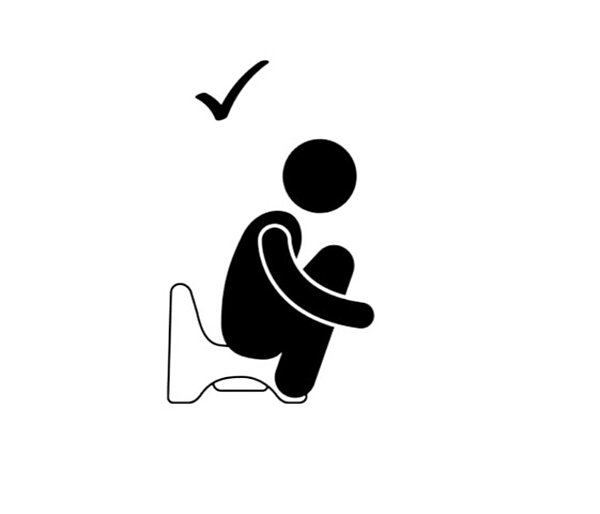
The right sitting position
By putting your child in the right position to poop and pee, you make toilet training much easier for your child.
If your child is sitting on the toilet, make sure they have a step stool for their feet or look for a seat with an integrated footrest. For children up to the age of 9, I recommend the GottaGo commode chair, but the application process can take time, so it's worth using other toilet aids until then.
The optimum position includes
- fully supported feet
- Knees raised to the height of the hips
- Stable seat
- no fear of falling in or down (due to restraints, e.g. handles on the side)
Observe & keep a log
In preparation for toilet training, but also during it, I recommend observing the elimination times and keeping a log. This can not only help you to catch the right moment to pee and poop in the toilet, but also to determine how often you need to go to the toilet with your child throughout the day. Logs also help to keep a record of the cleanliness education process and are a support for other caregivers (daycare center and/or school companion, grandma, babysitter, etc.).
Incidentally, I strongly advise against starting toilet training with arbitrarily set pee times, e.g. always before you leave the house. There is a great risk that your child will experience too much frustration.
Toilet training is a very individual process that depends on numerous factors. Three first steps are to find the right sitting position on the toilet, increase your child's motivation and reduce your own insecurity.