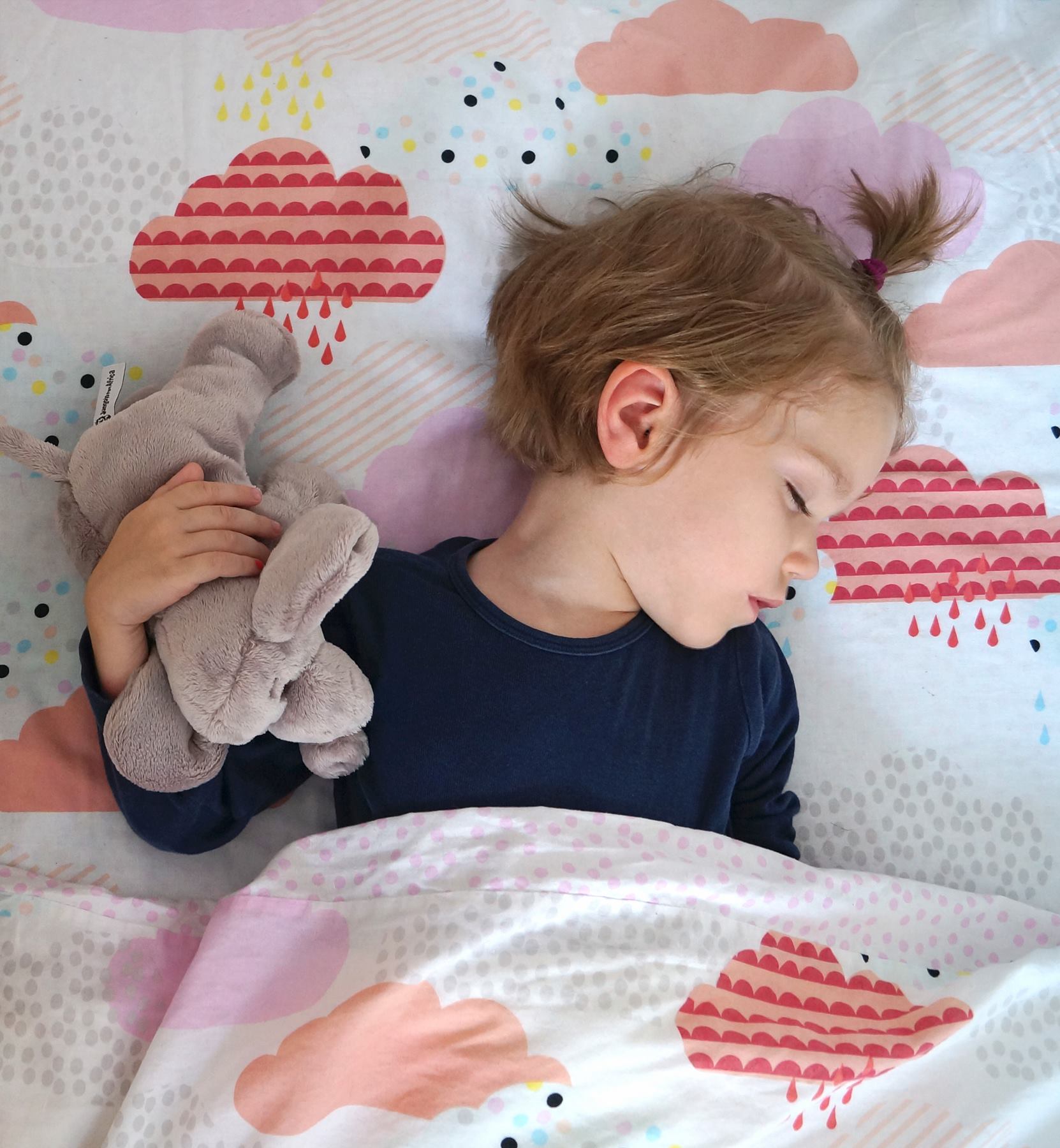
Nursery beds - as individual as each child themselves
In most cases, a care bed specially designed for children is customized to the needs of the child to be cared for.
A children's care bed makes sense from the point at which there are special safety, care or therapy requirements. This can be the case from birth, but at the latest when the child becomes more mobile or the care requirements increase.
There is no need to wait until the standard crib or changing table has become too small.
Nursery beds are available as standard in the dimensions (length x width) 140 - 200 x 70 - 100 cm, but smaller and larger special sizes are usually also available on request.
What options does a customized children's care bed offer?
- Adaptability and ergonomics:
Adjustable heights to make getting in and out of bed and care easier, as well as the option to adjust the lying surface to optimize posture.
Lowering rails can usually be locked at different heights and offer plenty of space for care. Beds with doors often have the advantage of a lower entrance, they can be adjusted to the child's sitting height and thus enable a transfer according to the child's abilities.
The risk of pressure points and contractures can be reduced by using different mattresses, which should always be adapted to the size and weight of the person sleeping in the bed
- Safety:
The safety of the child is paramount; to prevent the child from falling out, there are different safety rail heights that vary depending on the child's motor skills. Padding on the inside protects against bumps and injuries if necessary, but can also contribute to self-regulation and reassurance. For extremely active, (auto)aggressive children, there are particularly stable models among the children's care beds that meet their special requirements and offer them sufficient protection. There is also a large selection of protective devices such as padding and mattresses made of tear and bite-resistant material, additional door guards or even an anti-climb guard, which ensure that the bed is a safe place to retreat to.
- Accessibility:
Nursing beds allow parents and caregivers easy access to the child, with many beds offering access from two or even all four sides.
- Functionality:
Some beds offer the option of a head-up position (inclined position of the entire lying surface), which is a great advantage for children with respiratory problems, reflux or children who have had tubes inserted.
Hose guide posts allow safe cable and hose routing for medical equipment.
A bed with removable posts offers the option of converting it into a "therapy bed".
- Promoting independence:
A well-designed care bed can help to promote the child's independence by providing options for getting in and out of bed independently and supporting the use of aids.
- Therapeutic possibilities:
The children's care bed often serves as a place of retreat where even very active, restless children with regulation difficulties can calm down.
In many cases, the bed can be used to carry out therapeutic measures.
To name just a few examples:- Transfer training
- Implementation of various therapy concepts in the home environment (e.g. Bobath, Vojta, Affolter)
- Promoting and facilitating interaction and therefore psychosocial development
When is my child entitled to a childcare bed?
If certain medical, nursing or social requirements are met:
- Existing impairment
- Impairment of independence
- Lack of participation
- Danger to safety or health
- denied development opportunities
- Special needs
Commercially available beds do not meet the needs of the impaired child, for example because the side rails are missing or too low, the entrance is too high or there are no adjustment options - Compensatingfor impairments
The childcare bed compensates for impairments by taking the child's individual needs into account, providing safety, facilitating care and at the same time promoting emotional well-being. It helps the child to live as independently and safely as possible, making it easier for them to participate in everyday life. - Costs and benefits
Not every accessory and not every custom-made product is really necessary, is an investment justified in the long term and is it in proportion to the benefits?
The path to a childcare bed:
- Contact a local medical supply store for individual advice
- It would be ideal if the medical supply store already has experience in supplying children's care beds and can provide advice at your premises
- Manufacturers also offer advice
- The attending physician issues a prescription and notes the special features that the children's care bed must have; it is important to specify a diagnosis that matches the treatment
- The medical supply store prepares a cost estimate, which is submitted to your health insurance company with a request for approval
- If approved, the paediatric care bed will be delivered and set up by the medical supply retailer
- If you have any problems or faults, you can contact your medical supply retailer at any time. Annual maintenance and STK inspection of the bed are recommended by the manufacturer to ensure perfect functionality.
- Additional accessories such as a therapy support or an access aid can also be prescribed and supplied at a later date in the same way.