Sitting correctly in the car
What parents and caregivers need to be aware of
Transporting children safely in the car is a key issue for all parents - but there are additional challenges for children with disabilities. Physical or mental limitations require special solutions to ensure that the child can be transported not only safely, but also comfortably and with dignity.
Today, I would like to explain to you what is important when it comes to the correct seating in a vehicle for disabled children - in a practical, technically sound manner and with a focus on safety.
Optimal seat fitting - what to look out for?
1. every child is different - recognizing individual needs
- Can the child sit independently?
- Does it need additional support systems?
- What is the muscle tone like - hypotonia or spasticity?
- How do the head and body react to movements or stimuli?
These questions help to find the right seating solution.
2. rehab child seats: Tailor-made safety
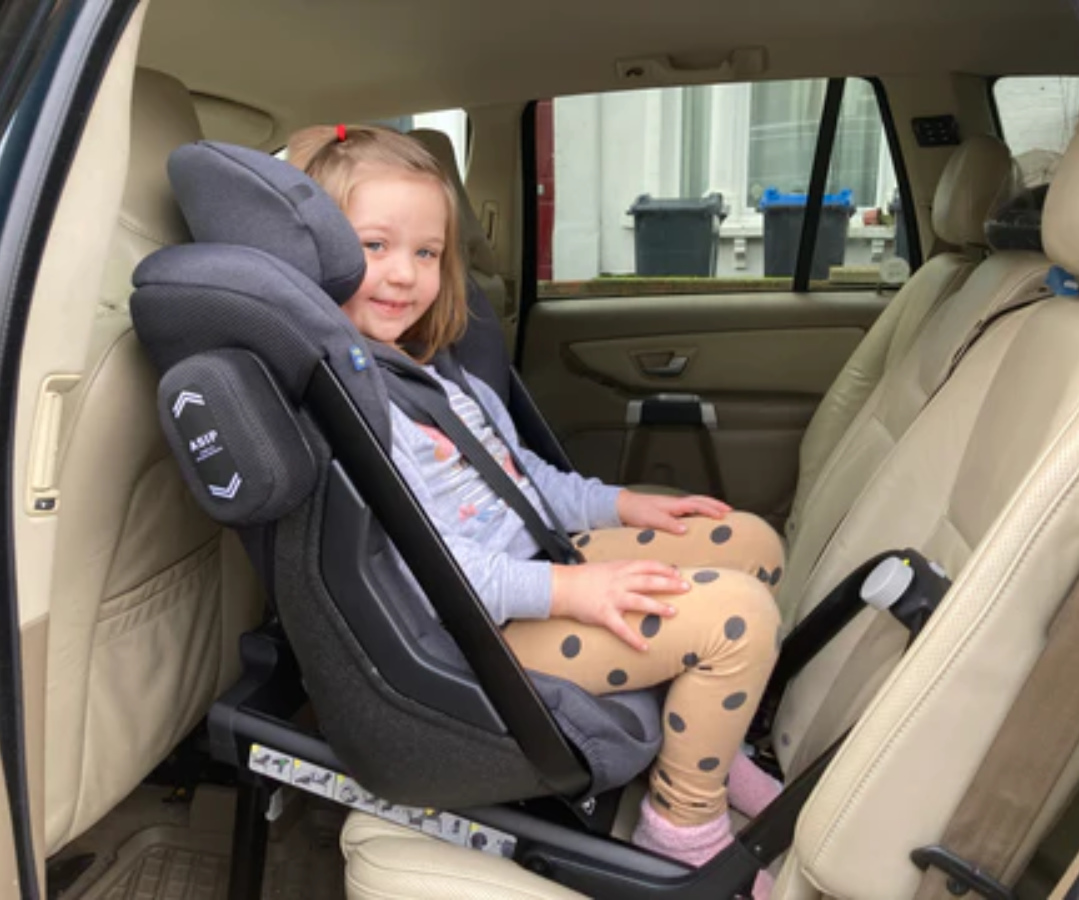
- Normal child seats are not sufficient in many cases. Rehab child seats offer
- additional side supports
- Individually adjustable head and back supports
- 5 or 6-point harnesses
- Flexible adjustment to body size, posture and seating ability
Important: The headrest must be correctly adjusted!
3. ride backwards for as long as possible - especially with hypotonia
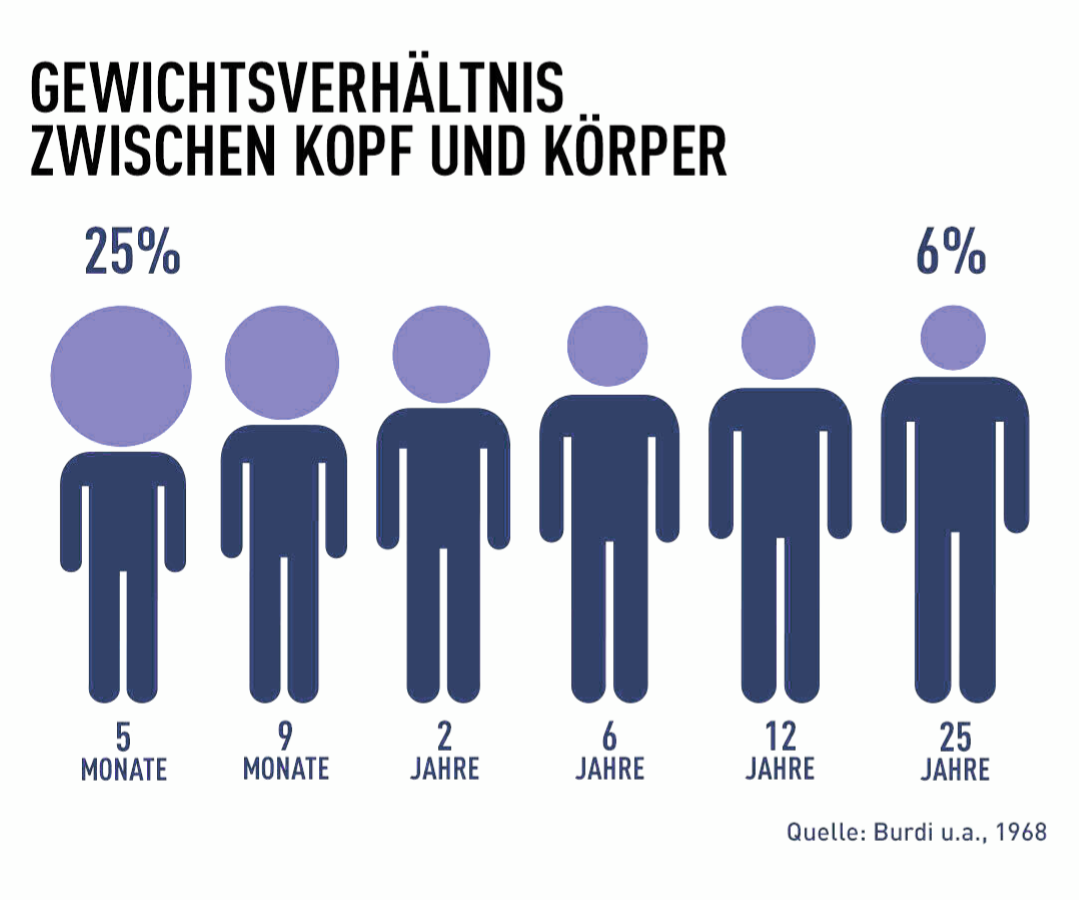
Children under the age of 4 have a disproportionately heavy head in relation to their body - around 25% of the total weight. Riding backwards is particularly recommended for children with low muscle tone.
4 Correct use: Does the seat fit?
A high-quality seat only provides protection if it is installed and used correctly:
- Check belt routing
- Adjust the shoulder straps correctly
- Lap belt instead of lap belt
- Adjust the seat angle
- Buckle the child in firmly and comfortably
5 What does good advice look like?
You can recognize a good consultation by
- Anamnesis: specific questions about the child's situation
- Seat test: try out different seats
- Vehicle inspection: check compatibility
- Reverse driving: as a topic in the consultation
- Future planning: consider growth and therapy
- Cost bearers: support with applications
A trained specialist dealer with experience in child safety and rehabilitation technology is the best point of contact - they not only know the products, but also the requirements of the funding agencies and the technical conditions in the vehicle.
6. check vehicle and installation
Some child rehab seats require special attachments - these must be compatible with the vehicle.
7 Who pays? Financing and aid number
With a prescription, the costs can be covered by health insurance - specialist dealers can help with the application.
8 Comfort counts - especially on longer journeys
A well-seated child is more relaxed and safer. Pay attention to
- breathable materials
- comfortable padding
- good adjustability
- Consider possible travel aids such as footrests
9. the seat grows with your child - or is replaced
Regular checks and adjustments are necessary - especially in the event of growth spurts or changes in motor skills.
Conclusion
Safe driving starts with professional advice, suitable equipment and correct use. For children with special needs, reversing is often a decisive safety advantage.
A trained specialist dealer is the most important source of support - from selection and fitting to help with cost coverage.
Infographic: Why reversing is so important