Orthoses for children with disabilities
The interview serves as the basis for an article that gives parents guidance in the "orthosis jungle" - comprehensible, practical and from an expert's point of view.
1. introduction - introduction & context
Gloria, you have been working in the field of pediatric orthopaedic technology for many years. Can you briefly tell us how you got into this field and what you find particularly exciting about your work?
I studied physiotherapy and started working in a center for people with disabilities. As I was very interested in orthoses and aids, I decided to study occupational therapy. I was 25 years old when I started working in an orthopaedic company and gradually specialized in paediatric orthopaedics.
What excites me most about my work is seeing how we can help improve the quality of life of children with disabilities and their families. Thanks to orthopaedic products, the benefits are often immediate - and that's what makes this work so rewarding.
When parents first hear that their child needs an orthosis, what are usually their biggest concerns or questions?
The biggest uncertainty is usually: How long will the orthosis have to be worn? I usually answer that we should focus on the present, because the child, their development and their needs will give us the answers. Anticipating situations creates anxiety. It is better to concentrate on offering the treatment that can help now.
2. Basics - What exactly are orthoses?
What exactly are orthoses - and what different types are there for children with disabilities?
An orthosis is a support or external aid that helps the body to maintain a certain position, prevent deformities or facilitate a function. There are prefabricated orthoses (in various sizes) and custom-made orthoses.
Orthoses can be adapted for different parts of the body, for example for the ankle and foot, the hand or the trunk (corsets).
An assistive device or technical aid is any product - including devices, equipment, instruments and software - that is specially made or available on the market and is used by or for people with disabilities. The aim is to enable participation and prevent impairments.
When is an orthosis used?
An orthosis is prescribed by a specialist to prevent deformities or to facilitate function.
What are the specific benefits of orthoses in everyday life?
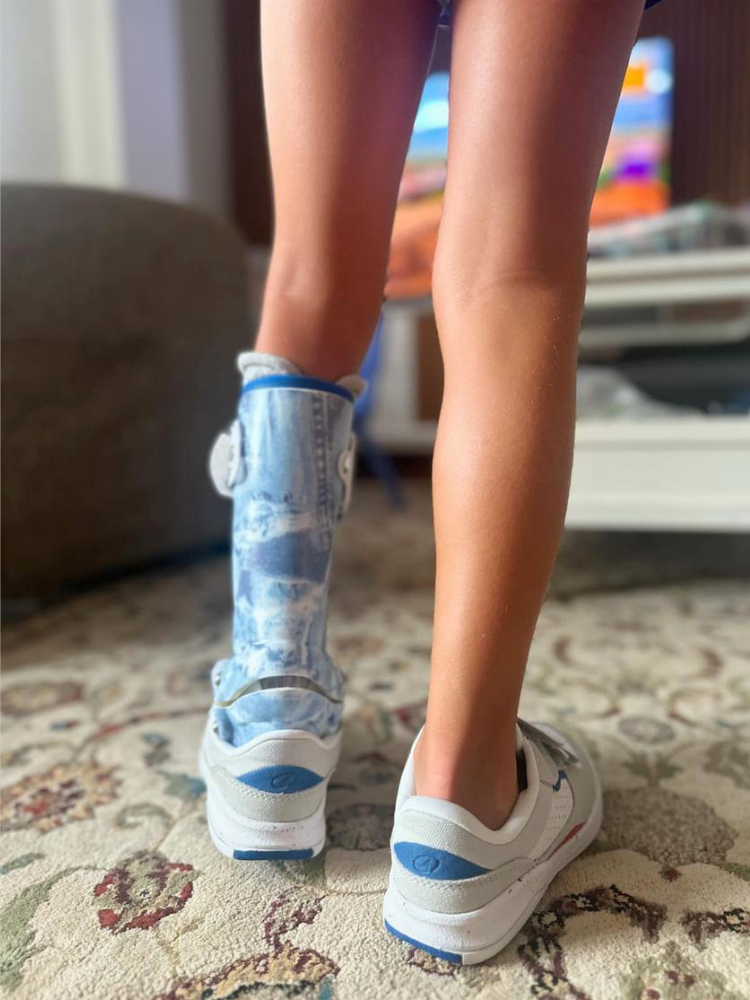
Foot and ankle orthoses such as DAFOs, for example, provide better foot support, more stability and can make walking easier. Sitting orthoses support the trunk, relieve pressure on the upper extremities and thus improve participation in everyday activities.
Are there differences depending on the diagnosis?
The specific functional need is more important than the diagnosis. Nevertheless, certain factors must be taken into account, such as loss of sensitivity in the case of spina bifida or changes in muscle tone in the case of cerebral palsy.
3. Fitting & Everyday life
How important is individual fitting - and how do parents find a good orthopaedic workshop?
The individual fitting is the decisive factor. Product quality alone is not enough. The key lies in fitting each individual child precisely.
We recommend orthotists with experience in fitting children with disabilities and who work closely with the interdisciplinary rehabilitation team.
How often do orthoses need to be checked or readjusted?
This depends on the child and the orthosis. DAFO orthoses are usually renewed annually. However, contact should be made immediately if there are any changes or problems.
What should I do if a child refuses the orthosis?
First of all, the cause should be clarified - physically or emotionally. Possible strategies are
- Gradual familiarization with short wearing times
- Try out different times of use (e.g. school vs. home)
- Night-time use with passive orthoses
- Positive reinforcement through enjoyable activities
Tips for everyday life?
Suitable shoes are crucial: wide last, plenty of room, wide tongue and Velcro fasteners. A shoe size larger than without orthosis is usually recommended. Special shoes are not absolutely necessary if there is sufficient space.
4. Technical consolidation - Frequently asked questions from parents
Are spiral orthoses useful for ICP?
The benefits should be assessed on an individual basis - as should skin tolerance, heat development and effects on independence. Alternatives may include the Cosa Active or adjustments to the rollator.
Can seat shells replace a corset?
Seating shells can promote a symmetrical posture and delay deformities, but cannot replace a corset for scoliosis. The decision is made by a specialist.
Do orthoses make sense if they change the gait pattern?
The aim is not a "normal" gait pattern, but more stability, less effort and functional improvement. Better walking does not always mean straighter walking.
How can you tell if an orthosis is helping?
If it enables safe, everyday movements and supports the existing movement pattern. The decisive factor is sustainable function - not perfection.
5. What is next? The future of orthotics
How has orthosis technology changed?
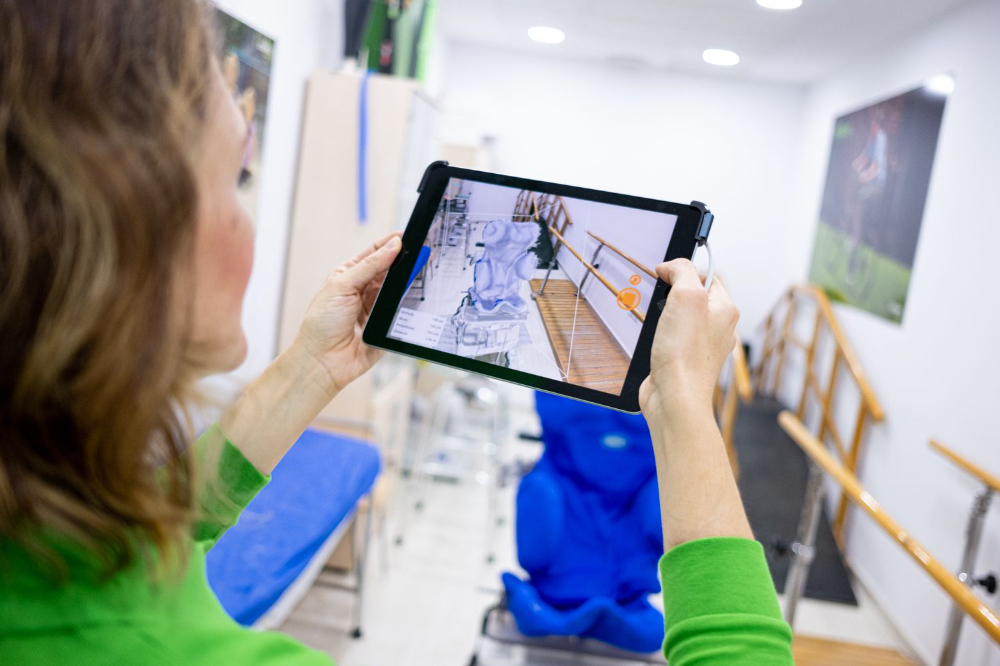
Technological change has been enormous: from plaster casts to 3D scanning and 3D printing. Digital methods make processes faster, cleaner and more child-friendly.
Are there new materials or processes?
Scanners, CAD design and computer-aided manufacturing improve fit and efficiency. Additive manufacturing opens up new material possibilities.
What would you like to see in the future?
Easier access to aids - regardless of country or place of residence.
6. Conclusion
Your most important advice for parents?
Children have an incredible ability to reinvent themselves, find new ways to move forward, and keep going without losing their curiosity and thirst for discovery. Adversity does not always stop them. Sometimes it's an opportunity to find a different path.