Animal support
Animals as companions in everyday life
How animal encounters strengthen development and well-being.
Animals can support a child with a disability and their family in a variety of ways in everyday life and also have a significant therapeutic effect. Here are some ways in which animals can help:
1. emotional support
Unconditional love: Animals provide a source of unconditional love and acceptance, which strengthens children's emotional well-being.
Stress reduction: Contact with animals can reduce anxiety and stress, which is particularly important for children with emotional or psychological challenges.
2. social interaction
Promoting friendships: Animals can act as icebreakers and help promote social interactions. Children can connect with other children more easily through their animals.
Shared activities: Playing with or caring for animals can create opportunities for social interactions that strengthen a sense of community.
3. improvement of motor skills
Fine and gross motor skills: Interacting with animals, such as feeding, stroking or playing, promotes motor skills. These activities require movements that train coordination and dexterity.
Activity promotion: Animals, especially dogs, motivate children to move more, which improves physical fitness and mobility.
4. therapeutic effects
Animal-assisted therapy: Working with animals can be used in therapeutic contexts to promote specific skills, such as language development in children with speech disorders or emotional regulation in children with autism.
Stress management: Animals can help regulate emotions and learn how to deal with stress.
5. promoting a sense of responsibility
Taking responsibility: Caring for an animal teaches children responsibility and caring. They learn that their actions have a direct impact on the animal's well-being.
Self-esteem: Taking responsibility for an animal can boost self-confidence and self-esteem as children experience success in caring for and handling the animal.
6. improving communication skills
Non-verbal communication: Interacting with animals encourages non-verbal communication and can help children improve their own communication skills.
Language development: Children who have difficulties with verbal communication can be encouraged to develop and use their language through interaction with animals.
7. promotion of empathy
Developing empathy: Interacting with animals teaches children to feel empathy and understand the needs of other living beings. This can have a positive impact on their interpersonal relationships.
8. fun and joy
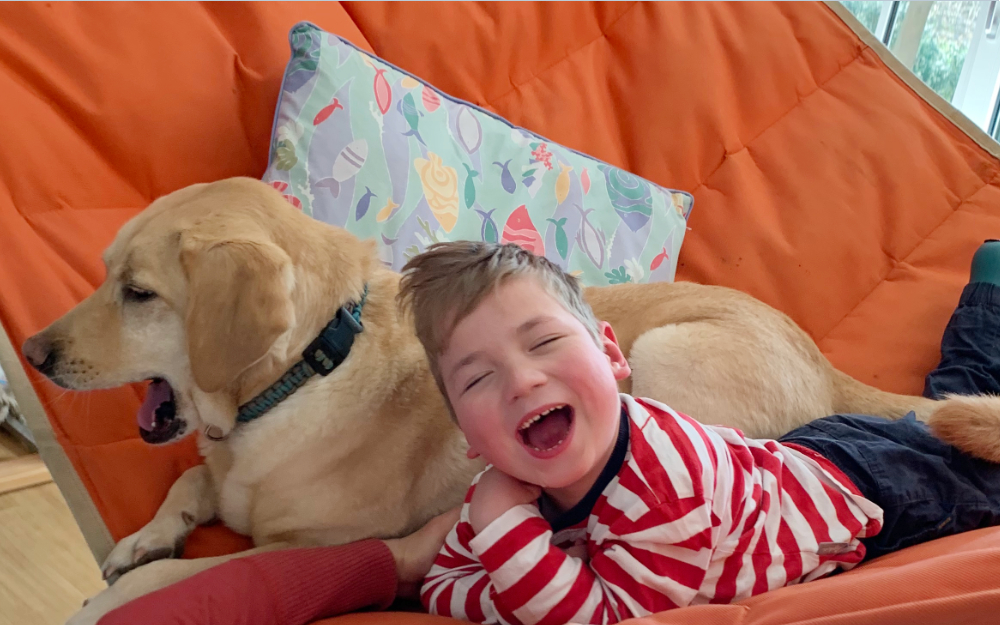
Play and joy: Animals bring joy and fun into everyday life. Interaction with animals can be a source of joy and play, which is important for children's overall development and well-being.
Animals for epilepsy
Animals, especially specially trained dogs, can also provide valuable support for children with epilepsy. Here are some ways in which animals can be used in this context:
1. early warning system
Recognize signs of seizures: Epilepsy dogs can be trained to recognize signs of an impending seizure, often before the affected person themselves realize it. They can detect changes in behavior, body chemistry or breathing and thus raise the alarm in good time.
2. safety during a seizure
- Provide protection: During a seizure, a dog can help protect the affected person by gently guiding them to a safe place or protecting them from injury by placing themselves between the person and hard surfaces.
- Alert rescue services: Some dogs are trained to get help by alerting a relative or neighbor when a seizure occurs.
3. emotional support
- Reducing anxiety and stress: Contact with a dog can help reduce anxiety and stress associated with epilepsy. The presence of an animal can have a calming effect and promote emotional well-being.
- Provide companionship: Dogs provide unconditional love and support, which can reduce the sense of isolation that many children with chronic conditions feel.
4. promote independence
- Increase self-confidence: The support of a dog can increase a child's self-confidence and independence. They can feel more secure knowing that their dog is there to support them.
5. training and adaptation
- Customization: Epilepsy dogs can be individually trained to meet the specific needs and requirements of the child. This can include the way they respond to seizures or how they support in everyday life.
Conclusion
Animals can be much more than companions for children with disabilities and their families - they provide closeness, strengthen development and bring lightness to everyday life. Whether playing together, in therapeutic situations or as reliable support, they promote self-confidence, communication and emotional stability. This creates special connections that not only provide support, but also a real quality of life.
Tips from the community:
Therapy
We started animal-assisted occupational therapy with our son at the age of 5 and are happy to be able to give him this opportunity for development and participation. In addition to cognitive and motor improvements, it is simply wonderful for us to see how much fun he has with dogs, horses and rabbits. The 60 minutes always go by far too quickly.
Connection
We have a small family dog. The difference in how the dog decides between our two kids is totally crazy. Our daughter (5 years and healthy) has grown up with our dog, but doesn't have that great of a bond. Our son (2 years old and severely disabled) loves our dog. Happy lies wherever the little one lies. If he kicks her with uncontrolled movements or grabs her fur, she stays where she is. Our son feels he can do anything and he beams every time he sees her through her dark fur ?
Reassurance
We have a mixed-breed dog called Bailey. Her presence alone calms our daughter and she seeks contact with her and wants to stroke her. A win-win situation ?
Intuition
We have 2 tomcats and one of them, "Tiger", cuddles up to Bubi when he is restless and then calms him down, sometimes, if we pay close attention, he gets very, very restless just before Bubi has a fit, as if he senses that something is wrong?
Encouragement
We use animal support for occupational therapy at the wonderful Stukehof. Mino is allowed to ride here once a week, which does so much to straighten him up. The smile on his face when he sees his animal buddy is also wonderful ?
Warmth
I have guinea pigs, a horse (not at home of course?) and go to animal-assisted therapy. Animals calm, give warmth and have no social norms or prejudices.
Support
I get animal support from my Icelandic mare in the stable and she helps me especially as a therapy horse and just to cuddle when I'm not feeling so well. I don't think I would manage so well without her because she accepts you completely without judgment and gives you the feeling of being "normal".
Closeness
We have a handsome Maine Coon cat who likes to take on the role of a weighted blanket. Anna loves to watch him play and romp around; he also tolerates being stroked. These can sometimes be a little stronger, as Anna has difficulty controlling her strength due to her Rett syndrome.
When animals accompany
How animal encounters strengthen development and well-being
Animals as companions in everyday life
How animal encounters strengthen development and well-being.
Animals can support a child with a disability and their family in a variety of ways in everyday life and also have a significant therapeutic effect. Here are some ways in which animals can help:
1. emotional support
Unconditional love: Animals provide a source of unconditional love and acceptance, which strengthens children's emotional well-being.
Stress reduction: Contact with animals can reduce anxiety and stress, which is particularly important for children with emotional or psychological challenges.
2. social interaction
Promoting friendships: Animals can act as icebreakers and help promote social interactions. Children can connect with other children more easily through their animals.
Shared activities: Playing with or caring for animals can create opportunities for social interactions that strengthen a sense of community.
3. improvement of motor skills
Fine and gross motor skills: Interacting with animals, such as feeding, stroking or playing, promotes motor skills. These activities require movements that train coordination and dexterity.
Activity promotion: Animals, especially dogs, motivate children to move more, which improves physical fitness and mobility.
4. therapeutic effects
Animal-assisted therapy: Working with animals can be used in therapeutic contexts to promote specific skills, such as language development in children with speech disorders or emotional regulation in children with autism.
Stress management: Animals can help regulate emotions and learn how to deal with stress.
5. promoting a sense of responsibility
Taking responsibility: Caring for an animal teaches children responsibility and caring. They learn that their actions have a direct impact on the animal's well-being.
Self-esteem: Taking responsibility for an animal can boost self-confidence and self-esteem as children experience success in caring for and handling the animal.
6. improving communication skills
Non-verbal communication: Interacting with animals encourages non-verbal communication and can help children improve their own communication skills.
Language development: Children who have difficulties with verbal communication can be encouraged to develop and use their language through interaction with animals.
7. promotion of empathy
Developing empathy: Interacting with animals teaches children to feel empathy and understand the needs of other living beings. This can have a positive impact on their interpersonal relationships.
8. fun and joy
Play and joy: Animals bring joy and fun into everyday life. Interaction with animals can be a source of joy and play, which is important for children's overall development and well-being.
Animals for epilepsy
Animals, especially specially trained dogs, can also provide valuable support for children with epilepsy. Here are some ways in which animals can be used in this context:
1. early warning system
Recognize signs of seizures: Epilepsy dogs can be trained to recognize signs of an impending seizure, often before the affected person themselves realize it. They can detect changes in behavior, body chemistry or breathing and thus raise the alarm in good time.
2. safety during a seizure
- Provide protection: During a seizure, a dog can help protect the affected person by gently guiding them to a safe place or protecting them from injury by placing themselves between the person and hard surfaces.
- Alert rescue services: Some dogs are trained to get help by alerting a relative or neighbor when a seizure occurs.
3. emotional support
- Reducing anxiety and stress: Contact with a dog can help reduce anxiety and stress associated with epilepsy. The presence of an animal can have a calming effect and promote emotional well-being.
- Provide companionship: Dogs provide unconditional love and support, which can reduce the sense of isolation that many children with chronic conditions feel.
4. promote independence
- Increase self-confidence: The support of a dog can increase a child's self-confidence and independence. They can feel more secure knowing that their dog is there to support them.
5. training and adaptation
- Customization: Epilepsy dogs can be individually trained to meet the specific needs and requirements of the child. This can include the way they respond to seizures or how they support in everyday life.
Conclusion
Animals can be much more than companions for children with disabilities and their families - they provide closeness, strengthen development and bring lightness to everyday life. Whether playing together, in therapeutic situations or as reliable support, they promote self-confidence, communication and emotional stability. This creates special connections that not only provide support, but also a real quality of life.
Tips from the community:
Therapy
We started animal-assisted occupational therapy with our son at the age of 5 and are happy to be able to give him this opportunity for development and participation. In addition to cognitive and motor improvements, it is simply wonderful for us to see how much fun he has with dogs, horses and rabbits. The 60 minutes always go by far too quickly.
Connection
We have a small family dog. The difference in how the dog decides between our two kids is totally crazy. Our daughter (5 years and healthy) has grown up with our dog, but doesn't have that great of a bond. Our son (2 years old and severely disabled) loves our dog. Happy lies wherever the little one lies. If he kicks her with uncontrolled movements or grabs her fur, she stays where she is. Our son feels he can do anything and he beams every time he sees her through her dark fur ?
Reassurance
We have a mixed-breed dog called Bailey. Her presence alone calms our daughter and she seeks contact with her and wants to stroke her. A win-win situation ?
Intuition
We have 2 tomcats and one of them, "Tiger", cuddles up to Bubi when he is restless and then calms him down, sometimes, if we pay close attention, he gets very, very restless just before Bubi has a fit, as if he senses that something is wrong?
Encouragement
We use animal support for occupational therapy at the wonderful Stukehof. Mino is allowed to ride here once a week, which does so much to straighten him up. The smile on his face when he sees his animal buddy is also wonderful ?
Warmth
I have guinea pigs, a horse (not at home of course?) and go to animal-assisted therapy. Animals calm, give warmth and have no social norms or prejudices.
Support
I get animal support from my Icelandic mare in the stable and she helps me especially as a therapy horse and just to cuddle when I'm not feeling so well. I don't think I would manage so well without her because she accepts you completely without judgment and gives you the feeling of being "normal".
Closeness
We have a handsome Maine Coon cat who likes to take on the role of a weighted blanket. Anna loves to watch him play and romp around; he also tolerates being stroked. These can sometimes be a little stronger, as Anna has difficulty controlling her strength due to her Rett syndrome.