Traveling with a disability
Traveling together as a family
Between planning, courage and special moments.
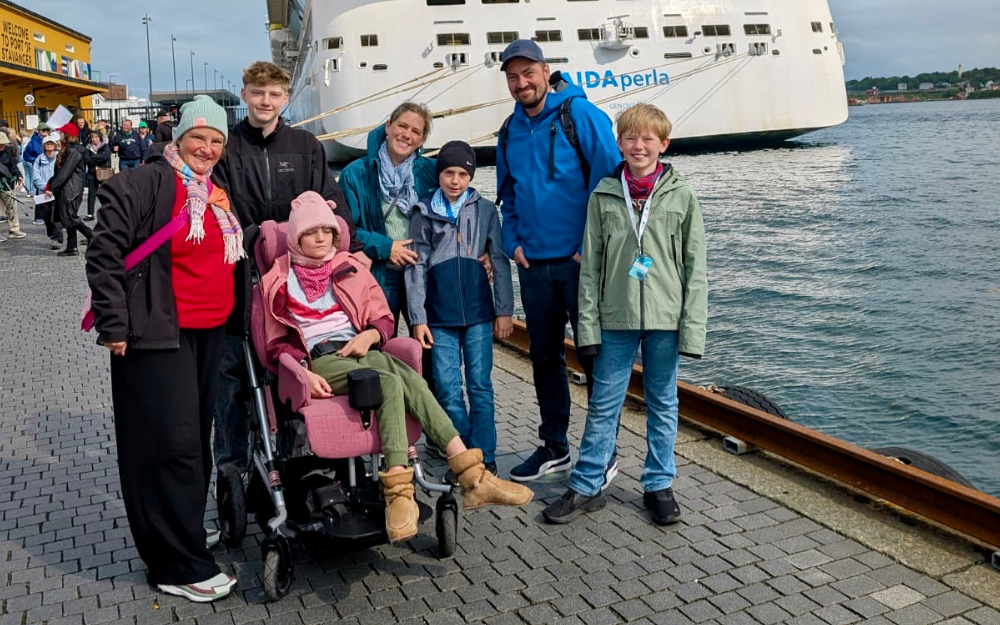
Whether it's the seaside, a vibrant city or the tranquil mountains - traveling with a child with a disability is a special challenge, but above all an opportunity to experience unforgettable moments together. It is a journey that requires a lot of preparation, heart and flexibility. But with the right aids and good planning, every trip becomes a valuable experience for the whole family.
Read here: Through the fjords with the AIDA
1. before the trip: Planning is everything
a) Destination and accommodation
A disabled-friendly destination is the basis for a relaxed trip. The following points should be taken into account
- Accessibility of the accommodation (e.g. elevators, wheelchair-accessible entrances, adapted bathrooms)
- Location (quiet, easily accessible, close to medical care)
Flexibility with check-in times, meals or special care services
Tour operators or portals such as "Travel for all" or "Tourism for people with disabilities" offer tested, barrier-free offers.
b) Getting there
The choice of transportation depends on the child's individual mobility. Many rail and airlines offer special services such as
- Seat reservations for families with disabled children
- Assistance with boarding and disembarking
- Free transportation of aids such as wheelchairs or rehab buggies
2. aids that make traveling easier
Depending on the type of disability and travel destination, different aids may be useful:
a) Mobility and transportation
- Travel wheelchair or rehab buggy: Lightweight, foldable and suitable for transportation
- Carrying systems: Helpful for small children or for rough terrain
- Mobile patient lift: Necessary for transfers with physical limitations
- Car seat and transport aids: Special child seats (e.g. reboarders, seat shells)
- Mobile ramps that make it easier to get in and out of the car
- Folding rollator or crutches: For children with limited walking ability
b) Care and everyday life
- Travel bed with side protection or a foldable care bed
- Inflatable positioning aids
- Special toilet aids, e.g. portable toilet seats or incontinence material
- Medication organizer and cool box for medication that needs to be refrigerated
- Feeding aids, e.g. special cutlery, drinking cups or feeding tube accessories
c) Communication and structure
- Talker or communication aids
- Visualized daily schedules or travel routines for children with autism spectrum disorders
- Noise protection headphones for children who are sensitive to noise
3 What to pack - the individual packing list
In addition to clothing and travel documents, parents should consider the following:
- Medical and care items
- Sufficient medication + medical certificates (preferably in two languages)
- Emergency plan and medical documents
- Health insurance card and international health insurance
- Aids (second device if necessary, e.g. for ventilators, batteries)
- Practical items for on the go
- Activity material (books, tablets, sensory toys)
- Favorite snacks, special food if necessary
- Hygiene items (wet wipes, diapers, disinfectant)
- Emergency contacts and addresses nearby
4. tips for a relaxed journey
- Realistic expectations: Not every day has to be full of activities - breaks are important.
- Maintain routines: Familiar structures provide security.
- Involve the child: If possible, involve the child in planning the trip.
- Self-care for parents: Only those who have strength themselves can accompany well.
Conclusion
Traveling with a child with a disability involves a little more planning - but it is definitely possible. It's all about taking individual needs into consideration and packing with foresight. With the right aids, a flexible plan and an open heart, the vacation will be a valuable time for everyone involved.
Tips from the community:
Bathing lounger
I always take the Wavebathing lounger on boardfor our Trulla - it's simply worth its weight in gold. I order a fall-out protection in advance, which works without any problems. And there are special bin bags for syringes and the like - you can easily register them with the accessibility department.
Bathing seat and rehab buggy
We always have the Splashy with us on our vacations, e.g. on Fehmarn , not only for the shower, but also perfect for the beach. Of course, we also take our deer buggy with us, with sun protection and which can also be attached to the bike. We have the Kangoo.
Rehab buggy
We can share your experiences, we also travel a lot with our disabled son. And it's wonderful!
Our new favorite, which really accompanies us almost everywhere: the Josi Wismi.
Rehab buggy (all-terrain)
Vacationing and travelling with a severely disabled child is a real challenge, which makes the experiences and memories that are created all the more wonderful. We travel to the mountains with Jannis every year, and our Kangoois an absolute must . ⛰️☀️🚠 All-terrain on all roads.
Traveling as a family - inclusive thinking
Between planning, courage and unforgettable moments.
Traveling together as a family
Between planning, courage and special moments.
Whether it's to the seaside, the vibrant city or the peaceful mountains - traveling with a child with a disability is a special challenge, but above all an opportunity to experience unforgettable moments together. It is a journey that requires a lot of preparation, heart and flexibility. But with the right aids and good planning, every trip becomes a valuable experience for the whole family.
Read here: Through the fjords with the AIDA
1. before the trip: Planning is everything
a) Destination and accommodation
A disabled-friendly destination is the basis for a relaxed trip. The following points should be taken into account
- Accessibility of the accommodation (e.g. elevators, wheelchair-accessible entrances, adapted bathrooms)
- Location (quiet, easily accessible, close to medical care)
Flexibility with check-in times, meals or special care services
Tour operators or portals such as "Travel for all" or "Tourism for people with disabilities" offer tested, barrier-free offers.
b) Getting there
The choice of transportation depends on the child's individual mobility. Many rail and airlines offer special services such as
- Seat reservations for families with disabled children
- Assistance with boarding and disembarking
- Free transportation of aids such as wheelchairs or rehab buggies
2. aids that make traveling easier
Depending on the type of disability and travel destination, different aids may be useful:
a) Mobility and transportation
- Travel wheelchair or rehab buggy: Lightweight, foldable and suitable for transportation
- Carrying systems: Helpful for small children or for rough terrain
- Mobile patient lift: Necessary for transfers with physical limitations
- Car seat and transport aids: Special child seats (e.g. reboarders, seat shells)
- Mobile ramps that make it easier to get in and out of the car
- Folding rollator or crutches: For children with limited walking ability
b) Care and everyday life
- Travel bed with side protection or a foldable care bed
- Inflatable positioning aids
- Special toilet aids, e.g. portable toilet seats or incontinence material
- Medication organizer and cool box for medication that needs to be refrigerated
- Feeding aids, e.g. special cutlery, drinking cups or feeding tube accessories
c) Communication and structure
- Talker or communication aids
- Visualized daily schedules or travel routines for children with autism spectrum disorders
- Noise protection headphones for children who are sensitive to noise
3 What to pack - the individual packing list
In addition to clothing and travel documents, parents should consider the following:
- Medical and care items
- Sufficient medication + medical certificates (preferably in two languages)
- Emergency plan and medical documents
- Health insurance card and international health insurance
- Aids (second device if necessary, e.g. for ventilators, batteries)
- Practical items for on the go
- Activity material (books, tablets, sensory toys)
- Favorite snacks, special food if necessary
- Hygiene items (wet wipes, diapers, disinfectant)
- Emergency contacts and addresses nearby
4. tips for a relaxed journey
- Realistic expectations: Not every day has to be full of activities - breaks are important.
- Maintain routines: Familiar structures provide security.
- Involve the child: If possible, involve the child in planning the trip.
- Self-care for parents: Only those who have strength themselves can accompany well.
Conclusion
Traveling with a child with a disability involves a little more planning - but it is definitely possible. It's all about taking individual needs into consideration and packing with foresight. With the right aids, a flexible plan and an open heart, the vacation will be a valuable time for everyone involved.
Tips from the community:
Bathing lounger
I always take the Wavebathing lounger on boardfor our Trulla - it's simply worth its weight in gold. I order a fall-out protection in advance, which works without any problems. And there are special bin bags for syringes and the like - you can easily register them with the accessibility department.
Bathing seat and rehab buggy
We always have the Splashy with us on our vacations, e.g. on Fehmarn , not only for the shower, but also perfect for the beach. Of course, we also take our deer buggy with us, with sun protection and which can also be attached to the bike. We have the Kangoo.
Rehab buggy
We can share your experiences, we also travel a lot with our disabled son. And it's wonderful!
Our new favorite, which really accompanies us almost everywhere: the Josi Wismi.
Rehab buggy (all-terrain)
Vacationing and travelling with a severely disabled child is a real challenge, which makes the experiences and memories that are created all the more wonderful. We travel to the mountains with Jannis every year, and our Kangoois an absolute must . ⛰️☀️🚠 All-terrain on all roads.