FiNiFox asks
In conversation with Kristina, Managing Director of Ortho-Manufaktur Mai,
about trust, craftsmanship and the personal support of families in the provision of medical aids.
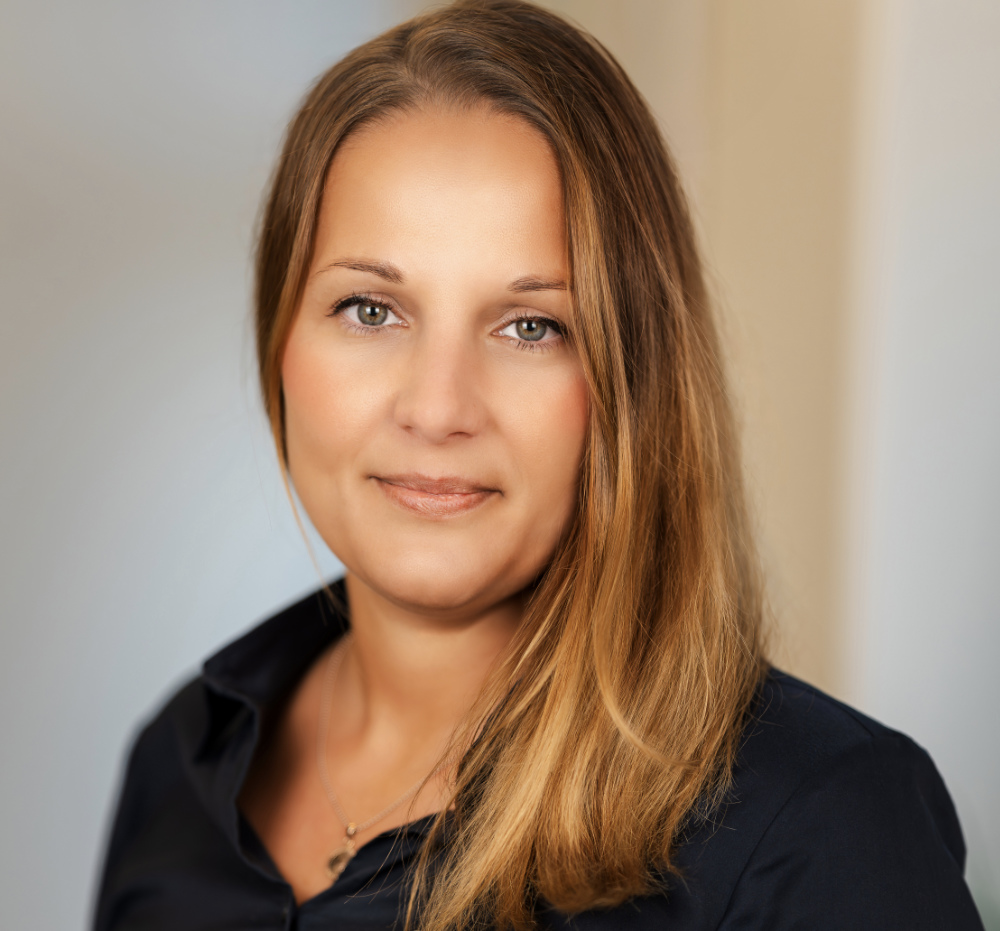
"When a child can stand safely again,
walk or play safely again,
it doesn't just change their life,
but that of the whole family."
1. who are you?
Please introduce yourself briefly:
Who are you - and how did you get into the medical supply business?
I'm Kristina, mom to an 18-year-old daughter, and founder of Ortho-Manufaktur Mai. As a mother, I learned early on how important trust, patience and genuine listening are. Children show you every day how valuable movement, freedom and independence are and this has also shaped me professionally. When I founded Ortho-Manufaktur Mai, I wanted to create a place where people are not just looked after, but really seen.
What appealed to you most about working with children and their families?
That you really make a difference in everyday life. When a child can stand, walk or play safely again, it doesn't just change their life, but that of the whole family. What particularly excites me is the close collaboration with the families. You often accompany them over many years, grow together through challenges and celebrate small and large advances. This closeness and trust are something very special.
Was there an encounter that changed your view of this work?
There were many moments that shaped me, but especially when I became a mother myself. Suddenly I saw situations and concerns of families from a completely new perspective. I understood how important security, trust and support are.
2. everyday work & motivation
What does a typical day at the medical supply store look like for you?
My everyday life is very varied and colorful. Appointments, projects, discussions with the team, regular exchanges with therapists and doctors, as well as the personal care of my young patients.
What do you enjoy most about your work?
I enjoy working directly with my patients the most. It's indescribable to see how a child or family regains a bit of security, freedom of movement or quality of life after our work.
What is particularly challenging in everyday life?
A particular challenge in everyday life is dealing with health insurance companies. For many patients, it is complicated to get the right benefits and it often takes a lot of organization and patience to sort everything out smoothly.
Is there a situation that has stayed with you to this day?
Yes, an encounter with a premature baby is still with me today. At the time, nobody really knew what would happen next and whether the child would ever walk. It was a very uncertain situation for the whole team and the family. Today, the child runs into the company happily and we laugh together. This experience shows me every day why I love my work so much.
3. behind the scenes of care
How do you provide assistive technology devices?
The provision of medical aids always starts with us listening carefully: What does the patient need? What problems or limitations are there? We then work closely with doctors, therapists and often also with health insurance companies to find the best solution.
We manufacture the aid individually in our workshop - tailored precisely to the patient's needs. We then test it together, adapt it and support the patients and families over a longer period of time to ensure that everything works well and that they feel safe and comfortable.
What is particularly important to you personally?
It is particularly important to me that the care remains personal - I take a lot of time for appointments, explain everything in detail and am always available to answer questions. This is how we ensure that people get the support they really need.
Where do you need a lot of patience in the process?
In the approval process with the funding bodies.
Is there anything that parents often don't know?
Parents are often not aware, especially when it's their first assistive device, that many devices require approval. After the information provided during the consultation, you will have a better understanding of the process leading up to the fitting.
What role does teamwork play for you?
The team plays a central role in our day-to-day work. Everyone contributes their expertise. In the office, in the workshop or at appointments with patients, doctors and therapists.
Briefly asked:
Structure or flexibility?
Flexibility!
Listening or explaining?
Listen!
What gives you strength in everyday life?
What gives me strength in everyday life are the little moments with my patients and their families, when a child laughs, makes progress or parents breathe a sigh of relief. Special gestures also touch me, for example pictures I've drawn myself or when the children sing me a song on my birthday.
Of course, my team also gives me energy, because everyone puts their heart and expertise into their work. And my own family.
4. team & philosophy
What makes your team special?
We are a very young, dynamic team where everyone helps everyone else. And when there's a lot to do, I know I have a team I can rely on.
How would you describe your attitude?
We want people and families to feel understood and well supported.
What does a good team need to provide families with really good support?
Above all, a good team needs specialist knowledge, empathy and genuine cooperation.
What do you sometimes laugh about in the team?
Funny situations usually arise on their own in the workshop, so there's always a laugh to be had.
5. personal view
Is there a tool that has stuck in your mind in particular?
Unfortunately, not every aid makes everyday life easier, but it still makes an important contribution to the child's development.
I particularly remember a handlebar-adapted hand orthosis which ensures that the hand remains on the handlebars in a controlled manner, making it possible for the child to go to school independently.
If you could invent a new aid: What would it be - and why?
An aid that can really effectively treat the chewing gait. There are various treatment options, but none that really corrects the malocclusion in the long term.
What does your work mean to you personally?
My childhood dream was always to do something manual and help people. In my job, I can combine the two and that fulfills me a lot.
6. outlook & message
How do you see the future of medical aids for children?
Challenging, I would like to see individual solutions become even more of a focus.
What changes would you like to see in the industry?
I would like the provision of medical aids for children to become even less complicated. A lot of time and energy is often taken up by the medical service, even though the families and we as professionals who have been supporting the families for years know exactly what is needed.
What do you think is going well - and what not so well?
In my view, a lot of things are already going well in the provision of aids for children. The quality of the aids is high, doctors and therapists are committed to their work and we have the opportunity to respond to each child individually as a team.
What advice would you like to give parents?
Listen to your gut feeling and don't be afraid to ask questions. You know your child best. Don't be discouraged by bureaucracy or uncertainties and seek support from professionals who have been with your children for a long time.
Thank you very much, dear Kristina,
for your openness
and your empathetic view
on your work with children
and their families.
🧡