
What is COL4A1?
COL4A1 is a gene that codes for the production of the protein collagen type IV. Collagen type IV is an important component of the basement membrane, a structure that supports and separates various tissues in the body, such as blood vessels, kidneys and the eyes. Mutations in the COL4A1 gene can cause a number of diseases and conditions because collagen type IV does not function properly in the affected tissues.
One of the most common effects of COL4A1 mutations is hereditary nephropathies, in which the kidneys are affected by damage to the basement membranes. Blood clotting disorders can also occur, leading to an increased risk of bleeding or the formation of blood clots. In addition, mutations in the COL4A1 gene can cause neurological disorders, such as strokes, cerebral hemorrhages or other problems in the central nervous system. In some cases, the eyes are also affected, as collagen type IV plays an important role in the retina. This can lead to impaired vision or other eye diseases.
The exact manifestation and severity of symptoms depends on the type of mutation and the tissue structure affected. If COL4A1 is affected, this can lead to a variety of health problems that vary depending on the organ and system affected.
Aids that are frequently used with COL4A1:
Aids and support for everyday life
Due to the multi-organ involvement, children with a COL4A1 mutation require highly individualized assistive devices that depend on the neurological and organic consequences:
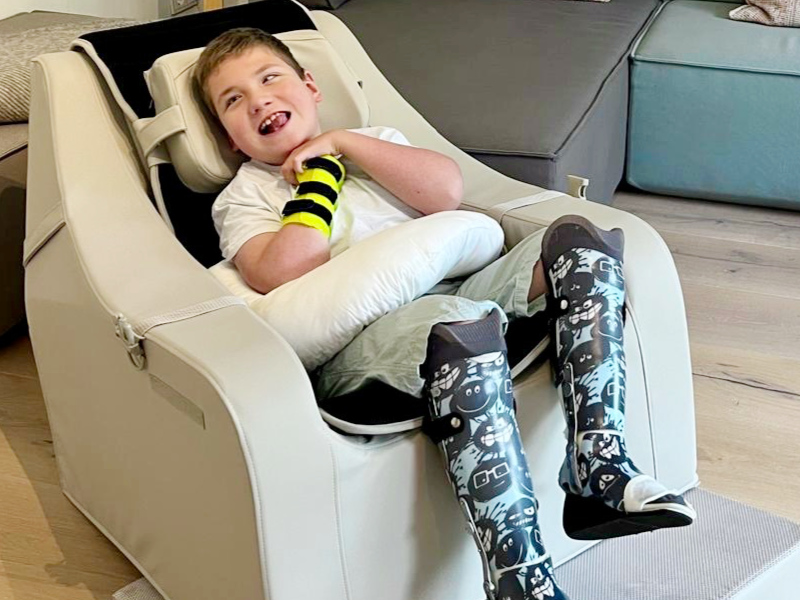
- Mobility & stability: if there are motor restrictions (such as spasticity) as a result of a cerebral hemorrhage, individually adapted rehab buggies, wheelchairs or therapy chairs provide support. These provide the necessary support and prevent misalignments.
- Safety with epilepsy: If the child suffers from seizures, safety helmets for daytime use and epilepsy sensor mats for night-time use provide important safety.
- Visual aids: If the eyes are involved, early ophthalmological checks and specialized children's glasses or magnifying visual aids are crucial for visual development.
- Monitoring: As there is an increased risk of vascular events, mobile monitoring devices (e.g. blood pressure monitors or pulse oximeters) may be useful for certain phases to keep an eye on the state of health.
- Positioning aids: Special positioning systems or mattresses that ensure a pressure-free and stable position at night help to relieve pressure and prevent contractures in the event of motor impairments.
Learn more
You can find more helpful information about ADNP syndrome here:
www.orpha.net