
What is spina bifida?
Spina bifida is a congenital malformation of the spinal column and spinal cord in which the spinal column does not close completely. This leads to a gap through which the spinal cord and nerve tracts can be damaged. The severity varies depending on the form of the malformation - from a mild, usually symptom-free variant to serious neurological problems such as paralysis or bladder and bowel disorders. The exact cause is not fully understood, but a lack of folic acid during pregnancy plays an important role. Treatment ranges from surgical interventions to supportive therapies.
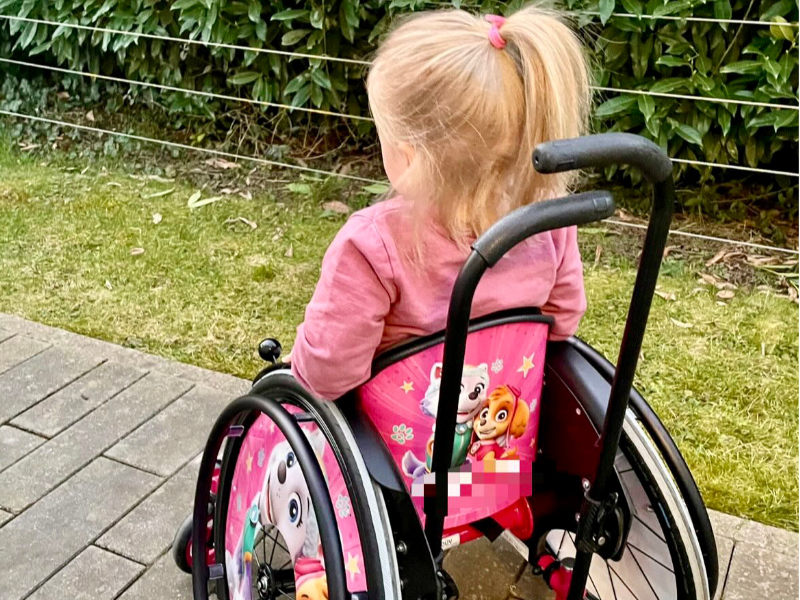
Aids that are frequently used for spina bifida:
Aids and support for everyday life
Thanks to modern medicine and technology, people with spina bifida can now live very independently. The right assistive technology is a lifelong companion:
- Mobility aids: Depending on the level of paralysis, active wheelchairs, rehab buggies or specialized walking aids are used. Standing trainers are important to maintain bone density.
- Orthopaedic technology: Custom-made orthoses (leg braces) stabilize the joints and enable many children to stand or walk.
- Incontinence management: Catheter sets for emptying the bladder and irrigation systems for the bowel enable a hygienic and dignified everyday life.
- Positioning & sitting: Individually shaped seat shells in special designs in therapy chairs prevent incorrect posture of the spine (scoliosis) and protect the skin from pressure sores (decubitus).
Learn more
You can find more helpful information about ADNP syndrome here:
www.orpha.net