
What is trisomy 18?
Trisomy 18 (Edwards' syndrome) is a rare genetic disorder in which chromosome 18 is present three times instead of twice. It usually occurs spontaneously and is not hereditary.
Children with trisomy 18 often have a very low birth weight, a small head, characteristic facial features, malformations of the hands, feet and internal organs as well as severe developmental delays. Many of those affected also suffer from heart defects, breathing problems and seizures.
The prognosis is usually serious, with many children dying in the first few months of life. Nevertheless, there are also cases in which children with trisomy 18 live longer and require intensive medical and nursing support.
Aids that are often used for trisomy 18:
Aids and support for everyday life
Although the prognosis for Edwards' syndrome is often very serious, children who survive the initial period require very intensive and loving medical and nursing support. Specialized aids play a central role here:
- Respiratory support & monitoring: due to frequent breathing stops and heart problems, mobile monitoring devices (pulse oximeters) and, if necessary, suction devices or oxygen concentrators are vital companions at home.
- Positioning & comfort: As children are often very petite and suffer from muscle tension problems, individually adapted positioning cushions and soft nesting aids help to alleviate pain and enable a secure position.
- Feeding aids: Special teats or mobile feeding pumps (for tube feeding) are necessary to ensure an adequate supply if the child has difficulty drinking or swallowing.
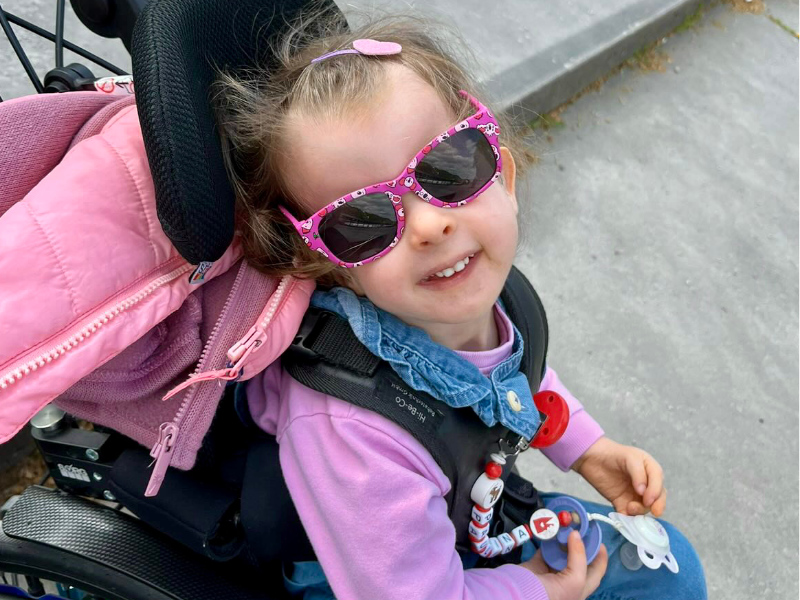
- Mobility in infancy: If the child reaches more mobile phases, specially padded rehab buggies with a reclining function provide the necessary support and protection when out and about.
- Nursing beds: Specialized children's nursing beds make intensive care easier for parents and offer the child a safe, protected environment.
Learn more
You can find more helpful information about ADNP syndrome here:
www.orpha.net